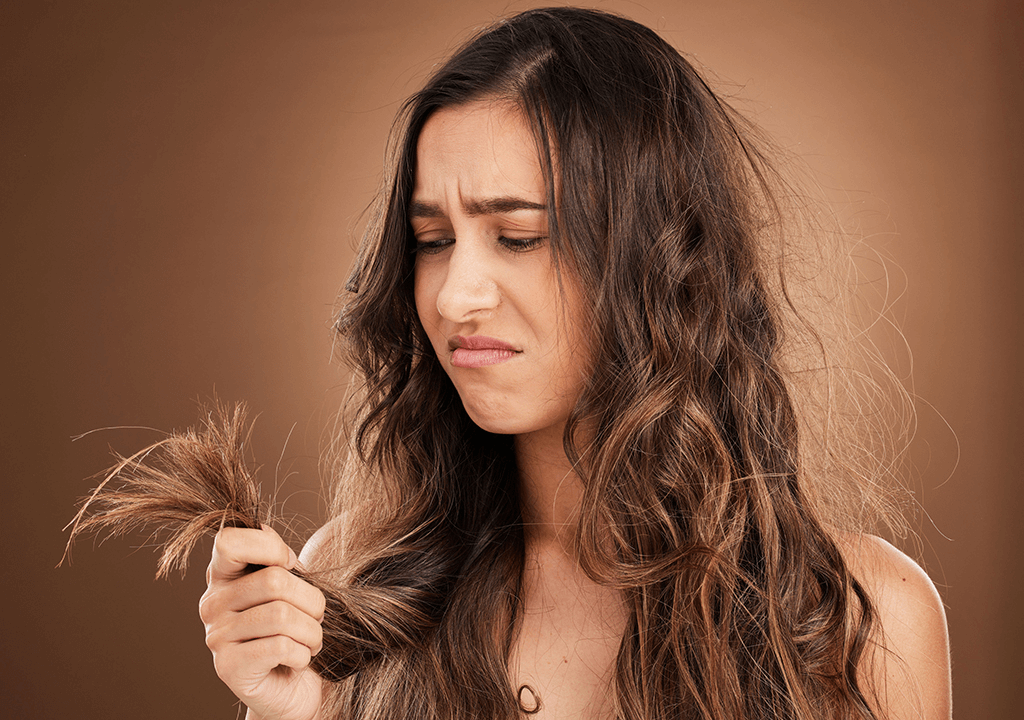
Continuous hair loss can be a distressing experience, affecting not just our appearance but also our self-confidence. Hair loss prevention is crucial, and understanding the right methods to stop hair shedding can make a significant difference.ย
Finding effective hair fall solutions requires a comprehensive approach that addresses the root causes of hair loss. This article will explore various strategies to help you regain control over your hair health.ย
Key Takeawaysย
- Understanding the causes of continuous hair lossย
- Exploring effective hair loss prevention methodsย
- Learning how to stop hair shedding effectivelyย
- Discovering comprehensive hair fall solutionsย
- Regaining control over your hair healthย
Understanding the Root Causes of Persistent Hair Lossย
The journey to stopping hair loss begins with understanding its complex underlying causes. Hair loss, or alopecia, is a condition that affects millions of people worldwide, causing distress andย impactingย self-esteem.ย
Normal Hair Shedding vs. Problematic Lossย
It's normal to shed some hair daily, as part of the hair growth cycle. However, when hair loss becomes excessive, it mayย indicateย an underlying issue. Distinguishing between normal shedding and problematic loss is crucial forย determiningย theย appropriate courseย of action. Normal shedding typically involves losing around 50-100 hairs per day.ย
Common Triggers That Accelerate Hair Fallย
Several factors can trigger or accelerate hair loss. Understanding these can help in mitigating their effects.ย
Hormonal Imbalancesย
Hormonal changes, particularly an excess of dihydrotestosterone (DHT), can lead to hair thinning and loss. Conditions like polycystic ovary syndrome (PCOS) and thyroid disorders are known to cause hormonal imbalances that affect hair growth.ย
Stress and Emotional Factorsย
Stress, whether physical or emotional, can significantly contribute to hair loss. Stress can trigger a type of hair loss called telogen effluvium, where more hairs than usual enter the resting phase and then fall out.ย
Nutritional Deficienciesย
Lack of key nutrients like iron, vitamin D, and biotin weakens the follicles, slowing growth and promoting breakage. Poor diet and restrictive eating habits can worsen the problem.ย
Environmental Factorsย
Pollution, UV exposure, and harsh hair care products can damage the scalp and accelerate hair thinning.ย
By understanding these triggers, individuals can take the first step towards addressing their hair loss effectively.ย
How to Identify Your Specific Type of Hair Lossย
Hair loss can manifest in various forms, each with distinct causes and treatment options. Recognizing whetherย you'reย experiencing pattern baldness or another form of hair loss is crucial forย determiningย the best course of action.ย
Male and Female Pattern Baldnessย
Also known as androgenetic alopecia,ย itโsย characterized by a receding hairline and thinning at the crown in men, while women typically experience diffuse thinning across the scalp.ยTemporary Shedding Conditionsย
Telogen effluvium causes excessive shedding after stress, shock, or major health changes. These conditions are usually reversible with care and balanced lifestyle adjustments.ยAlopecia Areataย
An autoimmune disorder where the bodyโs immune system attacks hair follicles, resulting in patchy bald spots.ย Early treatmentย can help stimulate regrowth.ยSimple Assessment Methodsย
Observe your hairline, volume, and shedding pattern. Try the โpull testโ: gently grasp a section of hair between your thumb and index fingerโif more than 2โ3 hairs come out, it mayย indicateย abnormal loss.ยUnderstanding your type helpsย determineย whether you need medical, nutritional, orย behavioralย interventions.ย
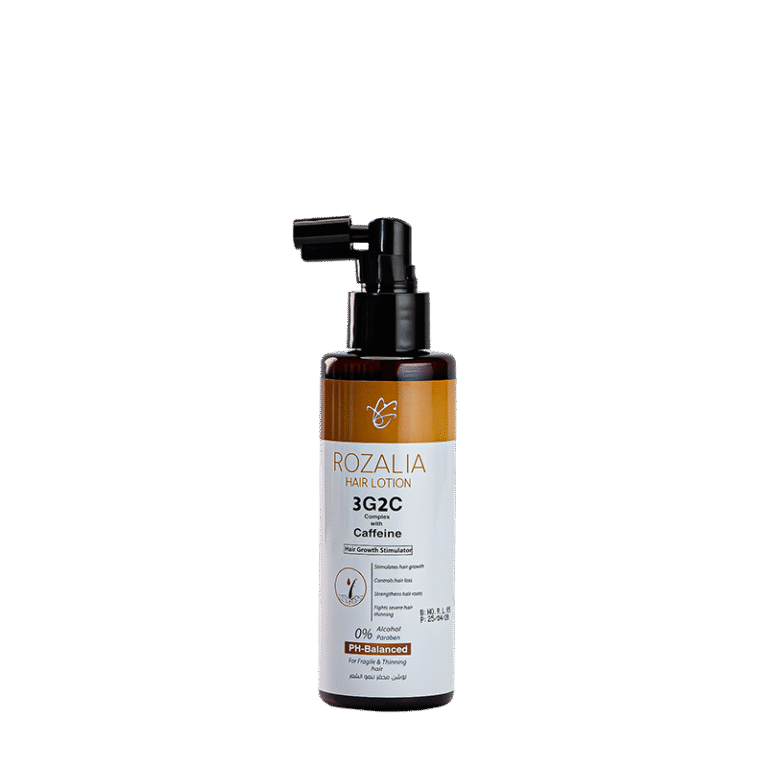
Rozalia Hair Lotion 120 ml
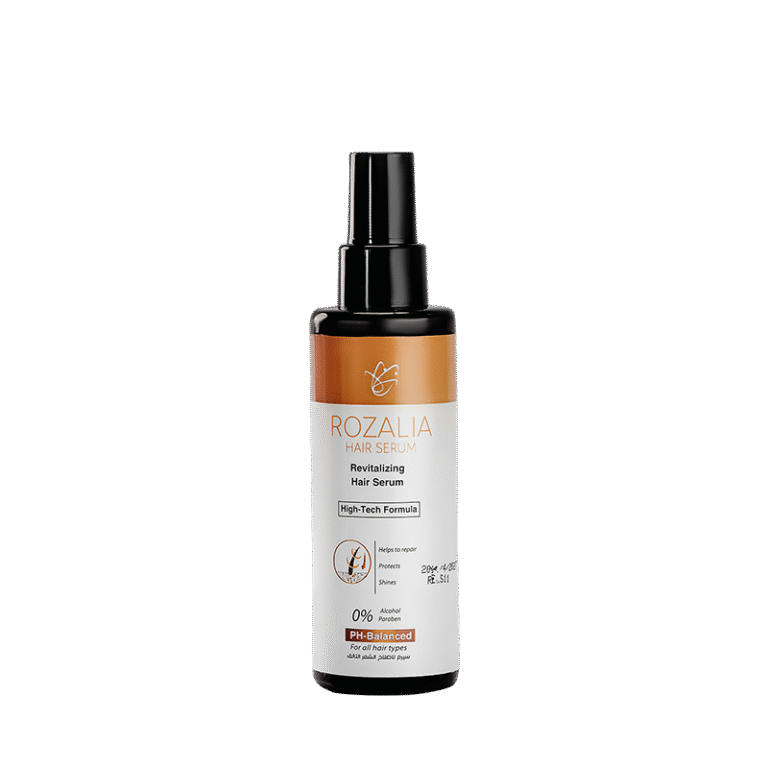
Rozalia Hair Serum 120 ml
Rozalia Hair Shampoo 200 ml
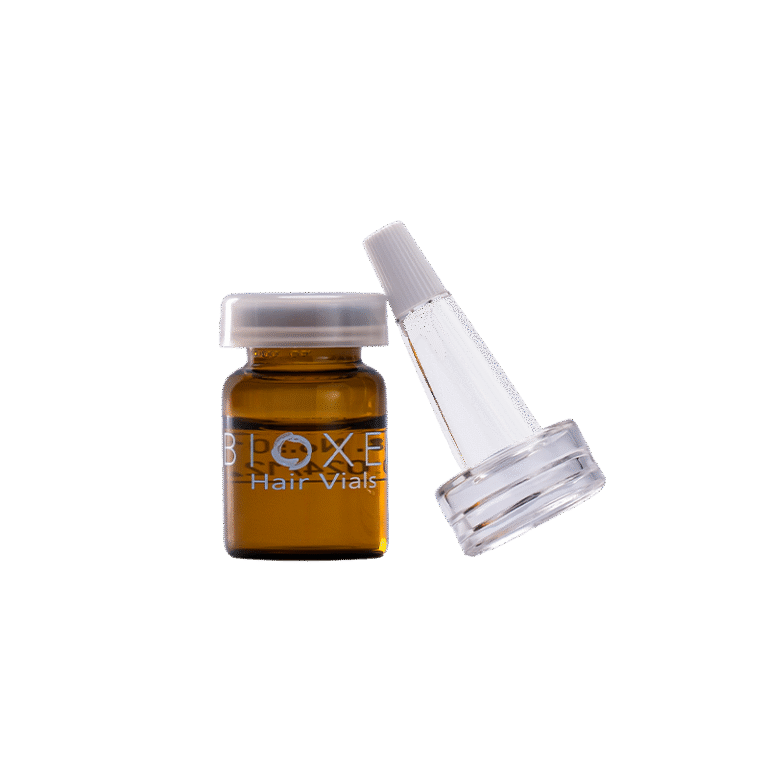
Bioxee Hair Vials
Clinically Proven Medical Treatmentsย
Medical interventions offerย evidenceย basedย solutions to slow or reverse hair loss.ย
FDAย Approved Medicationsย
Minoxidil (topical) stimulates follicles and slows hair thinning, while Finasteride (oral) blocks DHT production, reducing hormonal hair loss.ย
Prescription-Strength Solutionsย
Dermatologists may prescribe higher-strength versions for stubborn cases, but stronger medications can have more side effects.ย
Potential Side Effectsย
Minoxidil can cause scalp irritation; Finasteride may lead to sexual side effects. Always consult your dermatologist before use.ย
Effective Over-the-Counter Productsย
Topical serums and foamsย containingย Minoxidil, Biotin, and Keratin can help. Supplements rich in Biotin, Iron, and Zinc also support growth.ย
Nutritional Supportย
Iron addresses deficiencyย related loss, Biotin strengthens follicles, and Zinc supports scalp health and sebum balance.ย
Low-Level Laser Therapy (LLLT)ย
Devices that emit lowย intensity red light can improve follicle activity and increase hair density when used consistently.ย
PRP (Platelet-Rich Plasma) Therapyย
A regenerative approach that uses your own blood plasma, rich in growth factors, injected into the scalp to stimulate follicle recovery.ย
Lifestyle and Hair Care Habits That Make a Differenceย
Stress Reduction and Sleepย
High stress increases cortisol, which harms follicles. Practice relaxation techniques,ย yoga, meditation, or deep breathingย and aim for 7ย -ย 8 hours of quality sleep.ย
Exerciseย
Regular workouts improve blood circulation, delivering nutrients to the scalp. Even light cardio helps.ย
Gentle Washing and Conditioningย
Use warmย not hotย water andย sulfateย free shampoo. Apply conditioner to lengths and ends only to avoid weighing down roots.ย
Avoid Heat Damageย
Air dry when possible. If using styling tools, apply heat protectant and use low temperatures.ย
Product Awarenessย
Avoidย sulfates, parabens, and high-alcohol formulas. Choose natural, nourishing ingredients to protect your scalp barrier.ย
Protective Hairstylesย
Avoid tight ponytails and heavy extensions that strain roots. Alternate styles and use silk scrunchies.ย
Routine Scalp Exfoliationย
Once a week, use a mild exfoliating scrub or chemical exfoliant (like salicylic acid) to remove buildup and improve follicle health.ย
Natural Remedies Backed by Scienceย
Essential Oils That Stimulate the Scalpย
Rosemary, peppermint, and lavender oils increase circulation and can promote new growth when massaged into the scalp.ย
Herbal Treatmentsย
Saw palmetto may block the conversion of testosterone to DHT; ginseng and green tea extracts boost circulation and reduce oxidative stress.ย
DIY Hair Masksย
Combine coconut oil, honey, and avocado for a deeply nourishing mask. Leave on for 30 minutes before rinsing. Regular use helps strengthen follicles and reduce breakage.ย
Strategic Nutrition for Hair Strengthย
A balanced diet is vital for healthy hair. Include protein-rich foods like eggs and fish, along with biotin, vitamin D, and iron sources.ย
Superfoods such as salmon, spinach, and sweet potatoes supply essential nutrients that combat thinning.ย
Eliminateย triggers such as processed foods, excess sugar, and high salt intake to prevent inflammation-related shedding.ย
Scalp Massage and Stimulationย
Daily massage increases blood flow to follicles. Combine with essential oils for added benefit.ย
Advanced and Emerging Hair Loss Therapiesย
Stem Cell Researchย
Still in development but shows promise for regenerating dormant follicles and promoting new growth.ย
Microneedlingย
A minimally invasive technique that enhances product absorption and triggers healing signals to follicles.ย
Hair Transplantation (FUE/FUT)ย
Modern methods like Follicular Unit Extraction provide naturalย looking, long-term results with minimal scarring.ย
Laser Caps and Helmetsย
Portable devices using LLLT technology are now FDAย cleared for at-home use to enhance density.ย
When to See a Specialistย
Seek professional help if you experience sudden, patchy, or painful loss. Dermatologists or trichologists can tailor treatment.ย
Separating Fact from Fictionย
Myths such as โhats cause baldnessโ or โwashing hair too often causes lossโ are false. Real triggers include hormonal imbalance, stress, and genetics.ย
Prevention Tipsย
- Maintain a nutrientย rich diet.ย
- Avoid tight hairstyles.ย
- Massage the scalp regularly.ย
- Stay consistent with prescribed treatments.ย
Conclusion: Building Your Hair Recovery Planย
A complete solution combines medical treatments, supplements, nutrition, stress management, and gentle care. With expert guidance and consistency, regaining fuller, healthier hair is possible.ย
FAQ Highlightsย
- What causes continuous hair loss? Hormonal changes, stress, nutritional deficiencies.ย
- What are the best treatments? Minoxidil, Finasteride, PRP, and LLLT.ย
- Can diet stop hair loss? A balanced diet rich in protein, iron, zinc, and biotin supports growth.ย
- How long until I see results? Consistent use of treatments for 3ย -ย 6 months is needed for visible improvement.ย
- Can stress really cause hair loss? Yes, chronic stress can trigger telogen effluvium, butย itโsย usually reversible.ย