Best Daily Hair Routine: Your Guide to Healthy, Shiny, and Strong Hair

A strong, radiant head of hair does not come by chance. Just like skin, your hair requires daily attention to remain healthy, shiny, and easy to manage. While many people assume a simple shampoo or an occasional oiling session is enough, the truth is that hair thrives when given a structured routine that addresses cleansing, hydration, protection, styling, and internal health.
Creating the best daily hair routine doesn’t mean using dozens of products or spending hours in front of the mirror. It’s about consistent, thoughtful steps that become second nature morning to night. This article offers a complete roadmap with simple yet powerful habits you can practice every day to keep your hair strong, shiny, and resilient.



Morning Hair Care: Starting the Day Right
Morning routines vary depending on your hair type, but a few universal habits set your hair up for success:
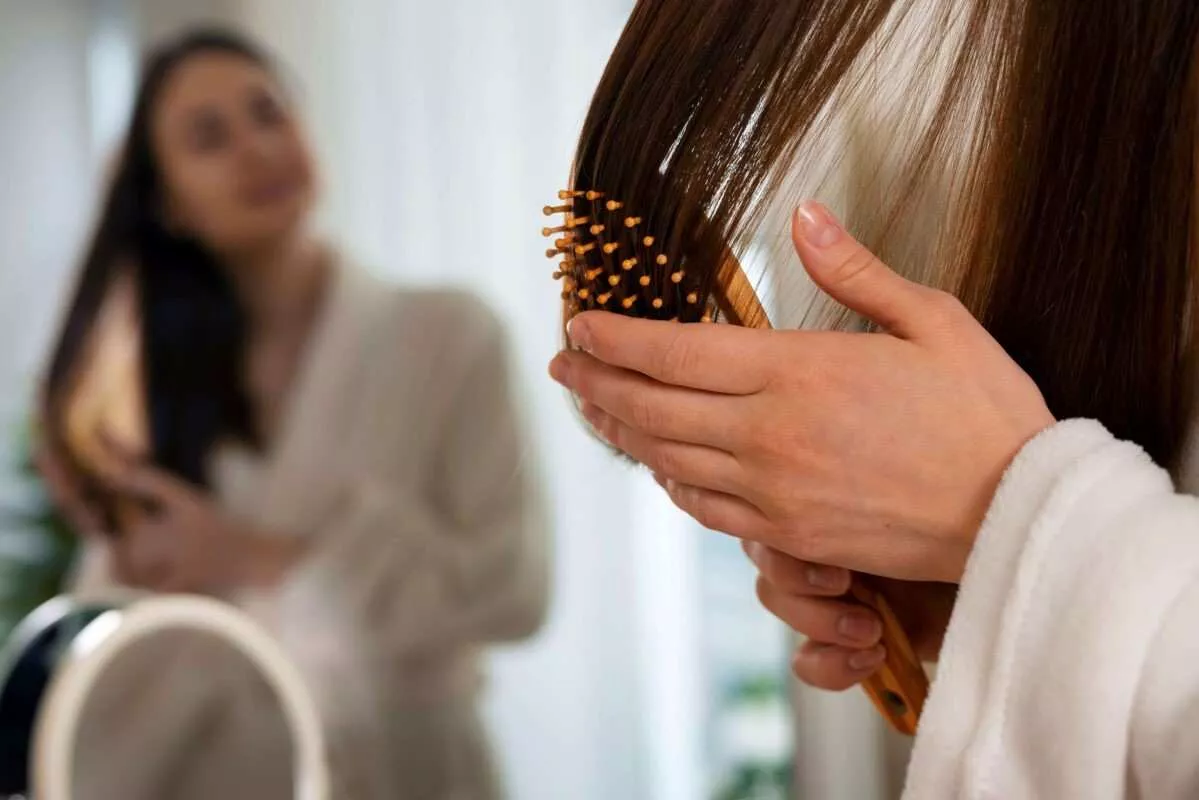
Gentle Detangling: Overnight, hair often tangles as you move around. Start your morning by gently detangling with a wide tooth comb or a paddle brush designed for wet or fragile hair. Work from the ends upward to the roots, section by section. Ripping through knots quickly can cause breakage and split ends.
Moisture Refresh: Hair loses water while you sleep, especially in dry climates or air-conditioned rooms. Mist your hair with a hydrating spray or use a lightweight leave-in conditioner. Ingredients like aloe vera, hyaluronic acid, or glycerin act as humectants, drawing water into the hair shaft. This step is particularly helpful for curly or textured hair that tends to be naturally drier.
Scalp Care: If you notice your scalp feels oily in the morning, lightly apply dry shampoo. Shake the can or bottle well, spray a few inches from the scalp, let it sit for a minute, then massage with fingers to distribute. This gives instant freshness and volume.
Protective Styling: Before heading out, think about how to reduce wear and tear. Loose ponytails, buns, or braids prevent tangling. Use fabric-covered elastics rather than rubber bands to avoid snapping strands. If you cycle or commute in windy weather, a silk scarf under your helmet can shield hair from friction.
Conditioning: Sealing in Moisture
Conditioning is where much of the magic happens:
Daily Conditioner: After shampoo, apply conditioner from mid lengths to ends. If your hair is fine, choose lightweight formulas with hydrolysed proteins that strengthen without weighing down. For thick or coarse hair, richer conditioners with shea butter or coconut oil provide lasting hydration.
Deep Conditioning: Once or twice a week, apply a mask or deep conditioner. Look for ingredients like keratin, argan oil, or ceramides. Leave it on for 10 - 15 minutes (or longer, if the instructions allow) so the product penetrates deeply. Consistency is key results build over weeks.
Leave-In Conditioner: A must for detangling and providing ongoing hydration. Apply a small amount to damp hair before styling. For frizz prone hair, use one with silicones or natural oils that create a light seal.
Protein vs. Moisture Balance:
Healthy hair needs both hydration and protein. Too much protein can make hair stiff and brittle; too much moisture can make it limp. Alternate between protein rich masks and hydrating masks to maintain balance.
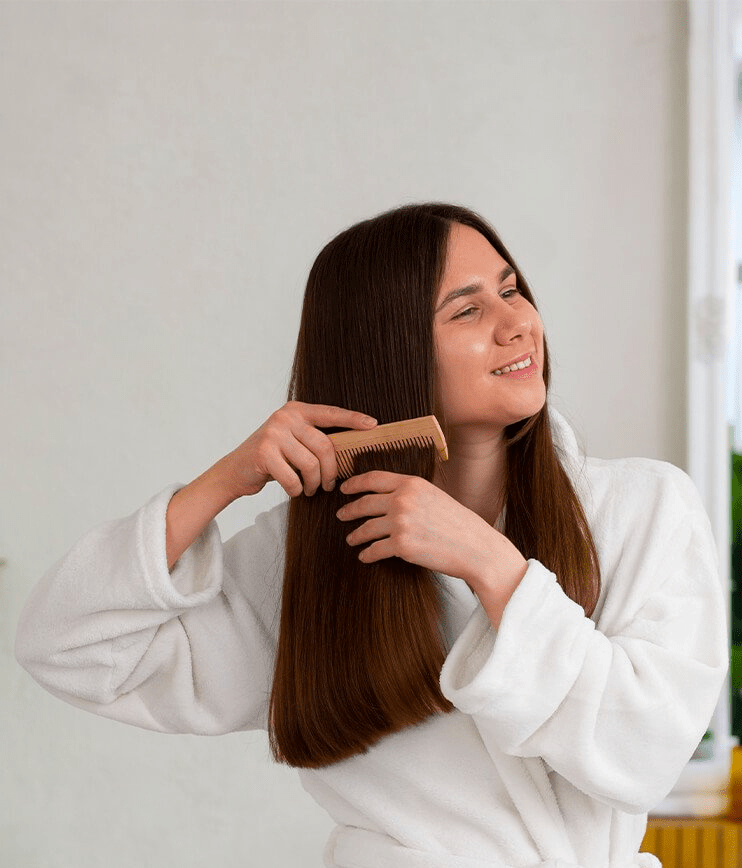
Pro tip: Always comb conditioner through with a wide-tooth comb in the shower to distribute evenly and prevent tangles later.
Cleansing: Finding the Right Frequency
How often should you wash your hair? The answer depends on scalp oiliness, hair thickness, and lifestyle:
Oily Hair: Some people need daily washing, especially if their scalp feels greasy by midday. A gentle shampoo with balancing ingredients like tea tree oil, peppermint, or zinc pyrithione works well.
Normal Hair: Two to three washes per week usually maintain freshness. A sulfate free shampoo is ideal, as sulfates can strip oils unnecessarily.
Dry or Curly Hair: Wash once or twice weekly. Co washing (using conditioner instead of shampoo) can also help retain natural oils.
Best practices for cleansing:
Massage shampoo gently into the scalp using fingertips, never nails. This boosts circulation and helps nutrients reach the follicles.
Focus on the scalp and roots; let the lather run down to cleanse the lengths without harsh scrubbing.
Rinse thoroughly with lukewarm water hot water strips moisture while cold water may not dissolve oils properly.
Clarifying Shampoos:
Once every two weeks, use a clarifying shampoo to remove product buildup, especially if you use styling gels, hairspray, or dry shampoo often. However, don’t overdo it, clarifying too frequently can strip protective oils. Pair with a deep conditioner afterward to restore balance.
Daily Styling and Protection
Styling is often where hidden damage sneaks in:
Heat Styling: Limit flat irons, curling wands, or hot rollers to two or three times per week. Always use a heat protectant that guards up to at least 400°F (200°C). Consider ceramic or tourmaline tools, which distribute heat more evenly.
Protective Styles: Loose buns, braids, or twists reduce strain on the roots. Avoid ultra-tight ponytails that pull at the scalp, which can lead to traction alopecia over time.
Frizz Control: Use smoothing serums or creams sparingly. A pea sized amount is enough, too much weighs down the hair.
UV Protection: Just as skin needs sunscreen, hair benefits from UV filters. Many leave-in sprays now include sun protection to prevent dryness and fading, especially for colour treated hair.
Minimizing Damage During Styling:
Use the lowest effective heat setting.
Always let hair dry 60 - 70% naturally before using hot tools.
Rotate styles, don’t wear the same tight bun or ponytail daily.
Drying Hair the Healthy Way
Drying techniques can either protect or damage hair:
Avoid Rough Towelling: Vigorously rubbing hair with a towel lifts the cuticle, causing frizz and breakage. Instead, wrap hair in a microfiber towel or old cotton T-shirt to gently absorb moisture.
Air Dry When Possible: Natural drying is gentlest. To prevent flatness, flip your hair upside down and shake gently with fingers while drying.
Blow Drying Safely: If you must blow dry, always apply a heat protectant spray. Keep the dryer at a medium heat and at least six inches away. Dry in sections, starting from the roots downwards to help seal the cuticle.
Cool Shot Setting: If your dryer has a cool-shot button, use it at the end. A blast of cool air helps lock the cuticle, giving hair extra shine and hold.
Night Hair Care: Preparing for Rest
Even while you sleep, your hair needs protection:
Silk or Satin Pillowcases: These reduce friction compared to cotton, helping prevent split ends and frizz.
Loose Braids or Buns: Tying hair loosely keeps it from tangling. For curly hair, a “pineapple” style (tying hair loosely on top of the head) preserves curl patterns overnight.
Overnight Treatments: Apply nourishing oils like argan, almond, or castor oil once or twice a week. Wrap your hair in a silk scarf or sleep cap to avoid staining pillows.
Extra Tip: If your hair tends to dry out, lightly spritz a water and aloe vera mix on your lengths before bed, then seal with a drop of oil. This prevents overnight dehydration.
Nutrition and Lifestyle for Hair Health
Beautiful hair begins inside the body:
Balanced Diet: Hair is primarily made of protein, so ensure adequate intake through eggs, chicken, fish, beans, and lentils. Healthy fats from avocados, nuts, and olive oil provide shine and elasticity. Vitamins A, C, D, E, and B complex (especially biotin) support follicle activity. Iron and zinc are crucial for preventing thinning.
Hydration: Dehydration leaves hair brittle. Drink 6 - 8 glasses of water daily. Herbal teas count toward hydration, while too much caffeine may have the opposite effect.
Exercise: Improves circulation and nutrient delivery to follicles. Even 20 - 30 minutes of walking boosts scalp blood flow.
Stress Management: Chronic stress raises cortisol, which may trigger shedding. Relaxation techniques, mindfulness, or even short daily walks can help.
Sleep: During deep sleep, your body repairs tissues, including hair follicles. Aim for 7 - 9 hours each night.
Specific Foods for Hair Health:
Salmon and sardines for omega-3s.
Spinach and kale for iron and vitamins A and C.
Sweet potatoes for beta carotene (converts to vitamin A).
Almonds and sunflower seeds for vitamin E.
Eggs for protein and biotin.
Common Mistakes to Avoid
Washing too frequently or not often enough.
Using shampoos with harsh sulfates or alcohol.
Brushing wet hair with fine-toothed combs instead of wide-tooth combs.
Skipping heat protection before styling.
Wearing tight hairstyles daily.
Neglecting diet and hydration.
Extra Daily Care Tips and Myths
Myth: Oiling daily keeps hair healthiest. Truth: Too much oiling without proper cleansing can clog pores and cause buildup. Once or twice weekly is enough for most people.
Myth: The more shampoo lathers, the cleaner the hair. Truth: Excess foam often comes from sulfates, which can dry out hair. Focus on gentle cleansing, not bubbles.
Tip: Seasonal adjustments. Hair may need more hydration in winter due to indoor heating and less washing in summer due to sweat and humidity. Adapt your routine to the season.
Tip: Protect hair during swimming. Before entering a pool, wet your hair with clean water and apply conditioner. This creates a barrier against chlorine.
Conclusion: Building a Routine That Lasts
The best daily hair routine isn’t about expensive products or strict rules, it’s about balance, consistency, and awareness of your hair’s needs. From gentle detangling and proper cleansing to conditioning, mindful styling, and nourishing your body with the right foods, every step adds up to healthier, stronger strands.
Small, sustainable changes like switching to a silk pillowcase, drinking more water, or reducing heat styling make the difference between brittle, lifeless hair and hair that feels full of vitality. With patience and care, you’ll see results that last not just for weeks, but for years.