
Night Routine: The Ultimate Guide for Skin and Hair Care Before Bed


The way you care for yourself at night often determines how refreshed, radiant, and healthy you look the next day. During sleep, your body enters a natural repair mode, healing cells and restoring energy. This is also when your skin and hair undergo renewal processes that depend heavily on the care you give them beforehand. A well structured night routine is not about luxury; it’s a necessity for long-term beauty and wellness.
In this guide, we’ll explore why nighttime care is so important, what steps to follow for skin and hair, and how to create rituals that help you wake up glowing and revitalized.




Why Night Care Matters
Unlike daytime, when skin is constantly defending itself from UV rays, pollution, and stress, nighttime is a window for recovery. Blood flow to the skin increases while you sleep, carrying oxygen and nutrients that support regeneration. Sebum production decreases at night, which means your skin can better absorb treatments like serums and moisturizers.
Hair also benefits. Follicles rest and prepare for the next growth cycle, and overnight treatments can penetrate more effectively since they are not disrupted by styling or sun exposure. Skipping a night routine doesn’t just mean losing one opportunity, it creates cumulative damage that shows over weeks and months as dullness, breakouts, and fragile strands.
Step One: Cleansing the Skin
Why It’s Essential:
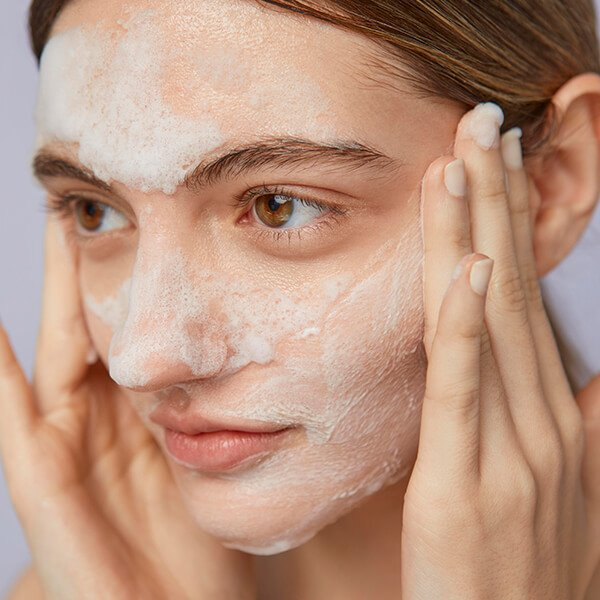
Cleansing removes dirt, sweat, excess oil, and makeup that accumulate during the day. If left overnight, these impurities clog pores, trigger acne, and interfere with your skin’s renewal process.
Best Practices:
Use a gentle cleanser suitable for your skin type. Gel cleansers work well for oily skin; cream cleansers hydrate dry skin; micellar water is excellent for sensitive skin.
Double cleansing (first with an oil based cleanser, then a water - based one) is especially beneficial for those who wear heavy makeup or sunscreen.
Massage the cleanser into your skin for at least 30 seconds, then rinse with lukewarm water. Avoid hot water, which strips natural oils.
Pro Tips:
Always cleanse your neck as well, it’s often neglected but shows signs of aging quickly.
Avoid using bar soaps on the face, as many are too alkaline and strip the skin barrier.
If you exercise in the evening, cleanse immediately afterward to prevent sweat from clogging pores.
4. Magisso Finnish Design Movement
Step Two: Toning and Balancing
Purpose of Toner:
Toner restores skin’s natural pH after cleansing, removes any remaining residue, and preps skin for better absorption of serums and creams.
Choosing the Right Toner:
For oily/acne prone skin: look for ingredients like salicylic acid, glycolic acid, or witch hazel.
For dry skin: select hydrating toners with hyaluronic acid, rose water, or aloe vera.
For sensitive skin: better go for alcohol free, fragrance free formulas with calming agents like chamomile.
Application:
Pat toner into skin using clean hands or a cotton pad. Never rub aggressively, gentle patting helps penetration without irritation.
Step Three: Night Serums and Treatments
Why Serums Matter:
Serums are concentrated formulas that deliver active ingredients deep into the skin. At night, they work synergistically with your body’s natural repair process.
Popular Options:
Retinol (Vitamin A derivative): Stimulates cell turnover, reduces fine lines, and treats acne.
Vitamin C: Brightens skin tone and combats oxidative damage.
Niacinamide: Calms redness, reduces pore appearance, and strengthens the barrier.
Hyaluronic Acid: Provides deep hydration and plumps the skin.
Layering Tips:
If using multiple serums, apply them from thinnest to thickest consistency. For example, a water-based vitamin C serum goes on first, followed by a retinol cream. Avoid mixing retinol with strong acids (like AHAs) in the same routine, as this can irritate. Instead, alternate nights.
Seasonal Adjustments:
In winter, prioritize hydrating serums with hyaluronic acid. In summer, lighter antioxidant formulas like vitamin C help combat sun damage.


Step Four: Moisturizing and Locking in Hydration
Importance:
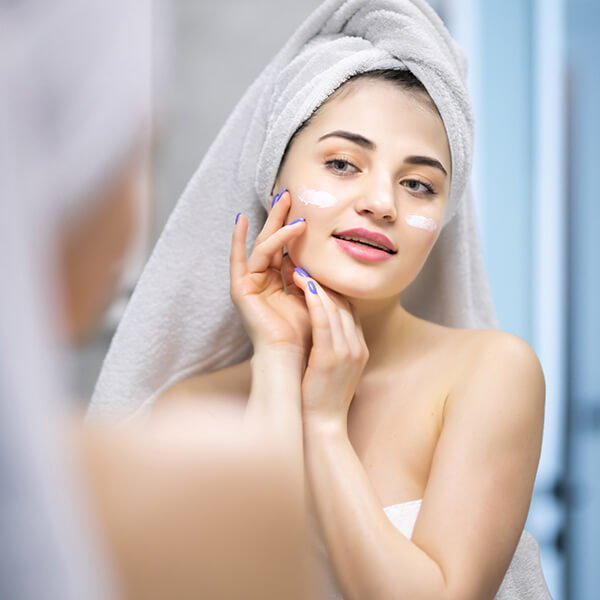
At night, skin loses moisture through transepidermal water loss. A good moisturizer prevents dehydration, seals in serum benefits, and supports the repair process.
Choosing the Right Moisturizer:
Oily skin: lightweight, gel based moisturizers with niacinamide.
Dry skin: thicker creams with ceramides, shea butter, or squalane.
Sensitive skin: fragrance free and calming ingredients like centella asiatica.
Application Tip:
Warm the cream between your palms and gently press into skin. This avoids tugging and ensures better absorption.
Extra Advice:
Consider using a sleeping mask once or twice a week for an added boost of hydration.
If you live in a dry climate, run a humidifier at night to prevent skin from drying out.
3. Röshults Svenska Hantverk


Step Five: Eye Cream and Targeted Care
Why Eye Cream?
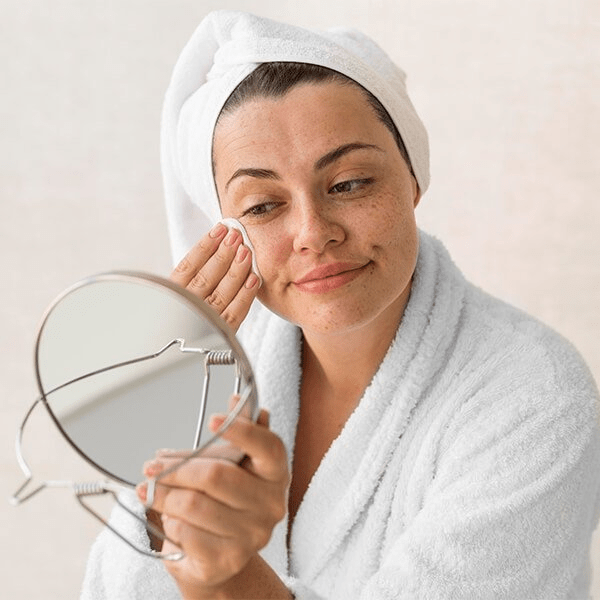
The skin around the eyes is thinner and more prone to fine lines, puffiness, and dark circles. A dedicated eye cream provides concentrated hydration and protection.
Ingredients to Look For:
Hyaluronic acid and peptides for hydration.
Caffeine for reducing puffiness.
Vitamin K for minimizing dark circles.
How to Apply:
Use your ring finger to dab a small amount around the orbital bone, avoiding direct contact with the eyes.
Extra Tip:
Keep eye cream in the refrigerator, the cool temperature helps reduce puffiness faster.
Step Six: Lip Care
Why It Matters:
Lips lack oil glands, so they dry out easily, especially at night. Applying a nourishing balm ensures they remain soft and smooth.
Recommended Ingredients:
Shea butter, beeswax, vitamin E, or lanolin.
Extra Tip:
For very dry lips, apply a thin layer of honey before lip balm, it acts as a natural humectant. Alternatively, use a gentle lip scrub once a week to remove dead skin and improve absorption.
Night Hair Care: Protecting Strands While You Sleep
Hair needs just as much attention as skin at night:
Brushing Before Bed:
Use a boar bristle or wide tooth comb to distribute natural oils from scalp to ends. This prevents tangling and enhances shine.
Overnight Oils or Serums:
Lightweight oils like argan or jojoba can be applied to mid lengths and ends. For very dry or damaged hair, richer oils like castor or coconut oil can be used sparingly. Wrap hair in a silk scarf to avoid staining pillows.
Protective Hairstyles:
Loose braids or buns minimize friction and tangling. The “pineapple” method for curly hair preserves curl definition overnight. Straight hair benefits from a loose braid, which reduces knots by morning.
Silk or Satin Pillowcases:
These reduce breakage and frizz compared to cotton. They also help skin by minimizing creases that can develop into fine lines.
Scalp Care:
Once or twice a week, massage your scalp with a few drops of oil before bed. This stimulates blood circulation, nourishes follicles, and promotes relaxation for better sleep.
Body Care Before Sleep
Hydrating the Body:
Apply a body lotion or cream after your evening shower to lock in moisture. Focus on elbows, knees, and heels, which are prone to dryness.
Hands and Feet:
Massage hand cream into nails and cuticles to strengthen them. For feet, use a thick cream or petroleum jelly, then wear cotton socks overnight to soften calluses.
Relaxation Rituals:
A short self massage with lavender or chamomile oil calms the body and signals the brain that it’s time for rest.
Additional Nighttime Wellness Habits
Hydration:
Drink a glass of water before bed to prevent dehydration but avoid overdoing it to limit nighttime bathroom trips. Herbal teas like chamomile can hydrate and promote relaxation.
Nutrition:
Heavy meals late at night may disrupt sleep. Go for light snacks if needed, such as yogurt, bananas, or a handful of nuts. Avoid excess sugar, which may interfere with melatonin production.
Stress Relief:
Meditation, journaling, or gentle stretching reduces stress hormones that can damage skin and hair over time. Listening to calming music or practicing deep breathing can also signal the body to unwind.
Sleep Hygiene:
Aim for 7 - 9 hours of restful sleep. A cool, dark room promotes melatonin production, which supports both sleep quality and skin repair. Turn off electronic devices at least 30 minutes before bed, as blue light disrupts circadian rhythms.




Common Mistakes to Avoid in Night Routines
Sleeping with makeup on, which clogs pores and accelerates aging.
Using harsh scrubs right before bed, leaving skin irritated overnight.
Applying heavy oils directly to the scalp daily, which can clog follicles.
Sleeping on rough cotton pillowcases that create friction.
Forgetting to clean hair accessories or pillowcases regularly.
Overloading your routine with too many actives at once, which can irritate skin.
1. Leolux Design Furniture
Myths About Night Care
Myth: Any moisturizer can be used as a night cream.
Fact: Night creams are formulated to be richer and more restorative, while day creams are lighter and often contain SPF.
Myth: Hair doesn’t need care at night.
Fact: Overnight friction, dehydration, and neglect contribute significantly to breakage and frizz.
Myth: Eye cream is unnecessary if you already use moisturizer.
Fact: The eye area needs specialized formulas due to its thinner skin and unique concerns.
Myth: Sleeping more automatically solves skin issues.
Fact: While sleep is critical, it must be paired with proper skincare and lifestyle choices to maximize results.
Conclusion: Investing in Your Night Routine
A thoughtful night routine is not indulgence, it is an investment in your future self. By cleansing, hydrating, and nourishing your skin and hair before bed, you work with your body’s natural rhythm of renewal. Over weeks and months, the results compound: fewer breakouts, smoother skin, softer lips, stronger hair, and an overall healthier appearance.
Remember, consistency is key. Even if you don’t use dozens of products, sticking to simple but effective steps every night ensures you wake up looking refreshed and feeling confident. Prioritize sleep, choose quality skincare and haircare products, and create calming rituals that prepare both body and mind for rest. With time, your night routine becomes more than just beauty, it becomes self care at its most powerful.

